The Story
In 1915, the state of Utah executed a songwriter named Joe Hill. They said it was for murder, but that's not really why. They killed him because his songs were organizing workers faster than any speech or pamphlet could. He took hymns people already knew and rewrote the words. You didn't need to read to learn a Joe Hill song. You just had to hear someone sing it once. That's what made him dangerous.
Hill was an immigrant who worked the docks, rode freight trains, and wrote songs because he had something to say. He wasn't famous and he wasn't trying to be. The state of Utah decided that what he was doing was enough to kill him for. When they stood him in front of a firing squad, his last words were: "Fire — go on and fire!"
His ashes were divided into six hundred envelopes and mailed to every state in the union and dozens of countries around the world. On May Day 1916, all six hundred were opened simultaneously and scattered to the wind. Thirty thousand people came to his funeral. They sang his songs in ten languages.
The system killed Joe Hill. His songs didn't notice. Joan Baez sang him at Woodstock. Pete Seeger carried him for six decades. Bruce Springsteen recorded him. Tom Morello organized a centennial concert at the Troubadour, one hundred years to the day after the execution. The songs kept spreading because they were good and because people needed them.
One Big Song asks what happened to the weapon Hill built, and whether it still works.

The Film
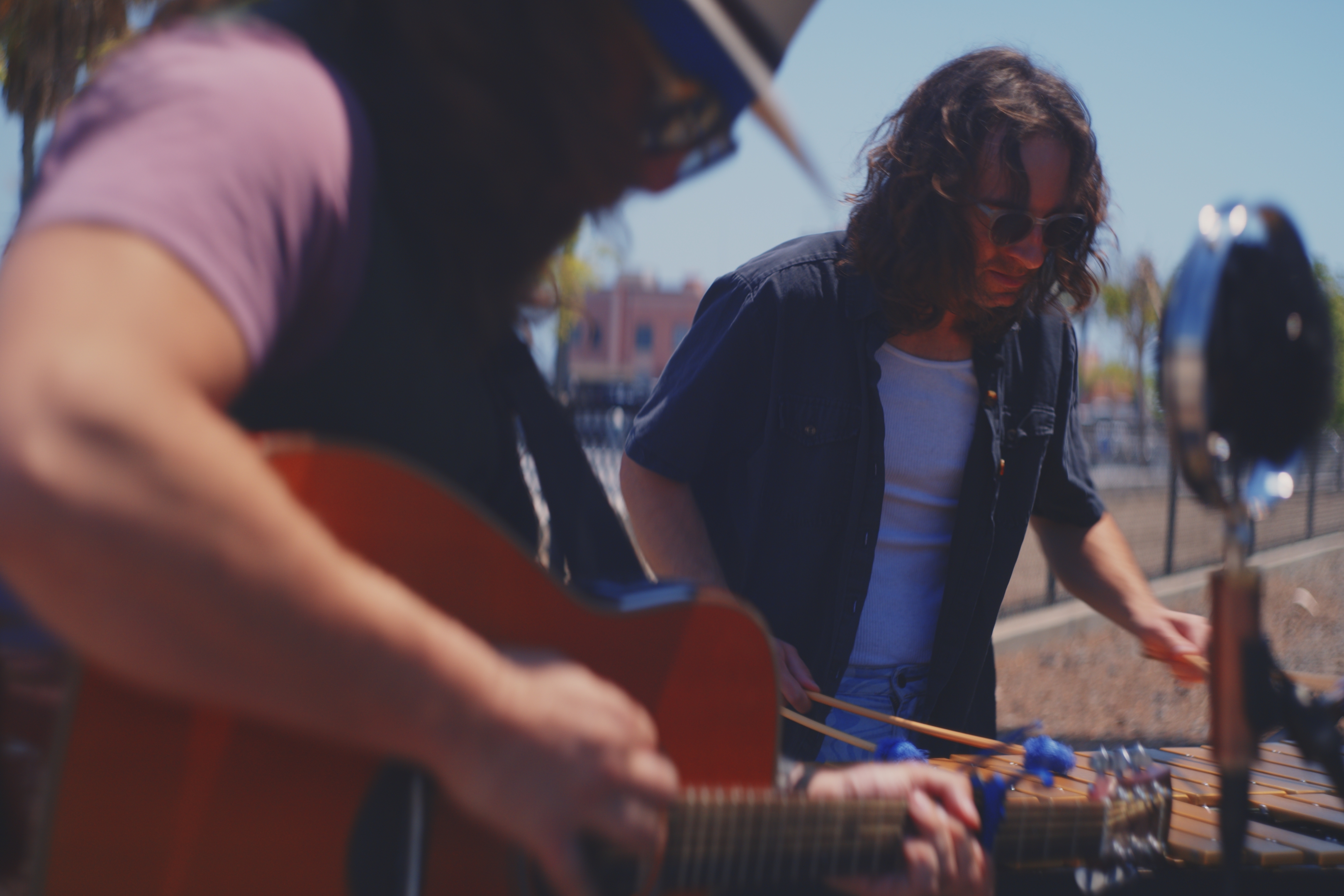
Musician Heavy Meadow and vibraphonist Chappy are hitting the road as Brother Man to retrace Joe Hill's legacy. They're driving up the West Coast from San Pedro to Seattle, performing Hill's songs in strangers' living rooms, at Joe Hill sites, and in some of the most beautiful landscapes in America. Guitar and vibraphone. The journey ends in Utah, where Hill faced the firing squad.
The film is a concert, a road movie, and a documentary woven together. Seven songs performed by Brother Man, with conversations, interviews, and the open road filling the spaces between. Musicians, union organizers, labor historians, and the people who show up to listen in those living rooms all become part of the story.

But this isn't just a film about Joe Hill. It's about what happened after him.
The system that killed Hill learned from its mistake. Martyrs are more dangerous than organizers, so it stopped making martyrs. Today, dangerous artists don't get shot. They get signed. The strategy shifted: don't eliminate the threat, absorb it. Algorithms suppress dissenting voices. Platforms reward compliance. Artists learn to censor themselves before anyone has to censor them. The weapon Hill built, music as a communal act of resistance, hasn't been censored. It's been reformatted.
In a world that learned to neutralize dissent, what does it mean to be radical?
How We're Making It
This isn't a traditional documentary. No narrator, no talking heads in front of bookshelves. The set is the spine and the story unfolds through it.
Brother Man's performances are the heart of the film. Heavy Meadow on guitar and vocals, Chappy on vibraphone, performing Joe Hill's songs in people's living rooms, at historic sites, and in landscapes along the route. Fifteen, twenty people on couches, on the floor, listening. Between songs, they introduce Hill to audiences who've never heard his name. Their reactions are real. The gap between Hill's world and ours becomes visible in the room.
The conversations are the connective tissue. Between performances, Heavy and Chappy talk at locations along the route: on benches, on hillsides, in the places they visit. About Hill, about the road, about whether any of this matters. The conversations are unscripted and honest. They're the soul of the film.
Interviews with musicians, organizers, historians, and cultural critics give the story its depth. How did the system go from shooting its critics to signing them? When did counterculture become a brand? Is it still possible to make art that can't be bought?
Who We Are
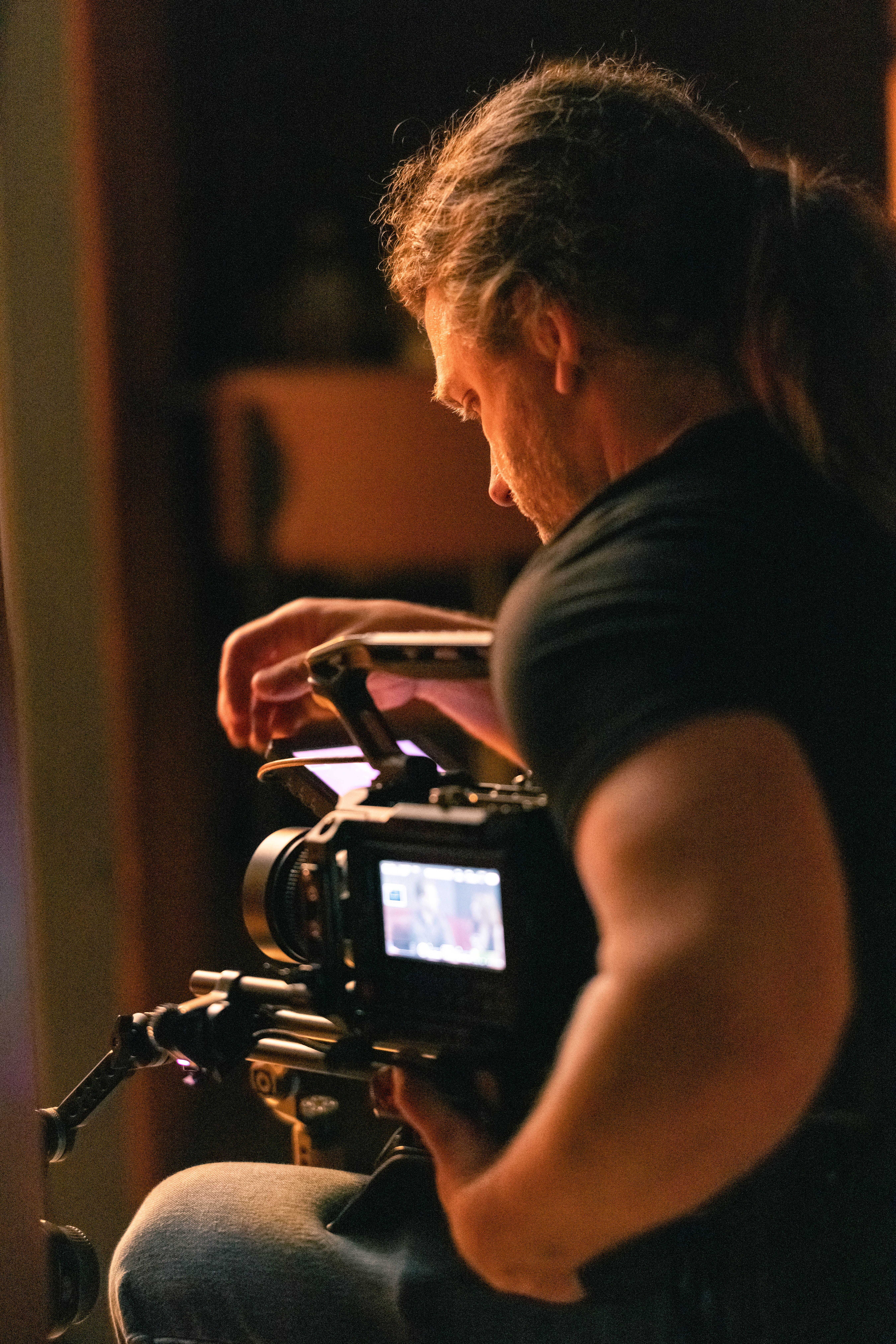
Monty Montgomery - Filmmaker
I came to filmmaking through music. I spent over a decade as a performing synthesizer player in the Philadelphia music scene before relocating to Santa Fe in 2021 to focus on cinematic production full time. I founded Space Helmet Pictures here, and in the years since I've directed concert films, music videos, and documentary work for clients ranging from Hasbro to the Institute of American Indian Arts. I shoot on Blackmagic cinema cameras, edit and color grade in DaVinci Resolve, and I'm currently in production on a PBS documentary about sculptor Bill Barrett. Music and the people who make it have been the throughline of my entire career.
I first heard Joe Hill's songs at a Groupmuse in Santa Fe, performed by Heavy Meadow with an intensity that felt dangerous. That surprised me. I'd stopped believing music could feel dangerous. That dissonance is what this film is about.
I've moved away from traditional activism. Not because I stopped caring, but because I started questioning whether those forms still work. The system has gotten better at absorbing dissent than we have at creating it. Protest becomes content, resistance becomes brand. I don't know if filmmaking escapes that trap, but I know it's the only honest way I can still ask the question.

Heavy Meadow, Bard
My entire adult life has been devoted to building beloved community through musical ritual. In 2012, I started Groupmuse, the most extensive grassroots classical, jazz, and roots music house concert network in history. In October 2024 we organized our 10,000th Groupmuse. Since 2021, I've been a touring musician myself, sharing my songs with crowds across the country. I lived out of my RV for years, building musical community all over this landmass. The more I learned about Joe Hill, the more audiences I shared his story with, the more I realized this is a tale that needs to be told. Music, culture, justice, struggle, a love triangle, and ultimately, martyrdom. This one has it all.
Jake Chapman - Musician
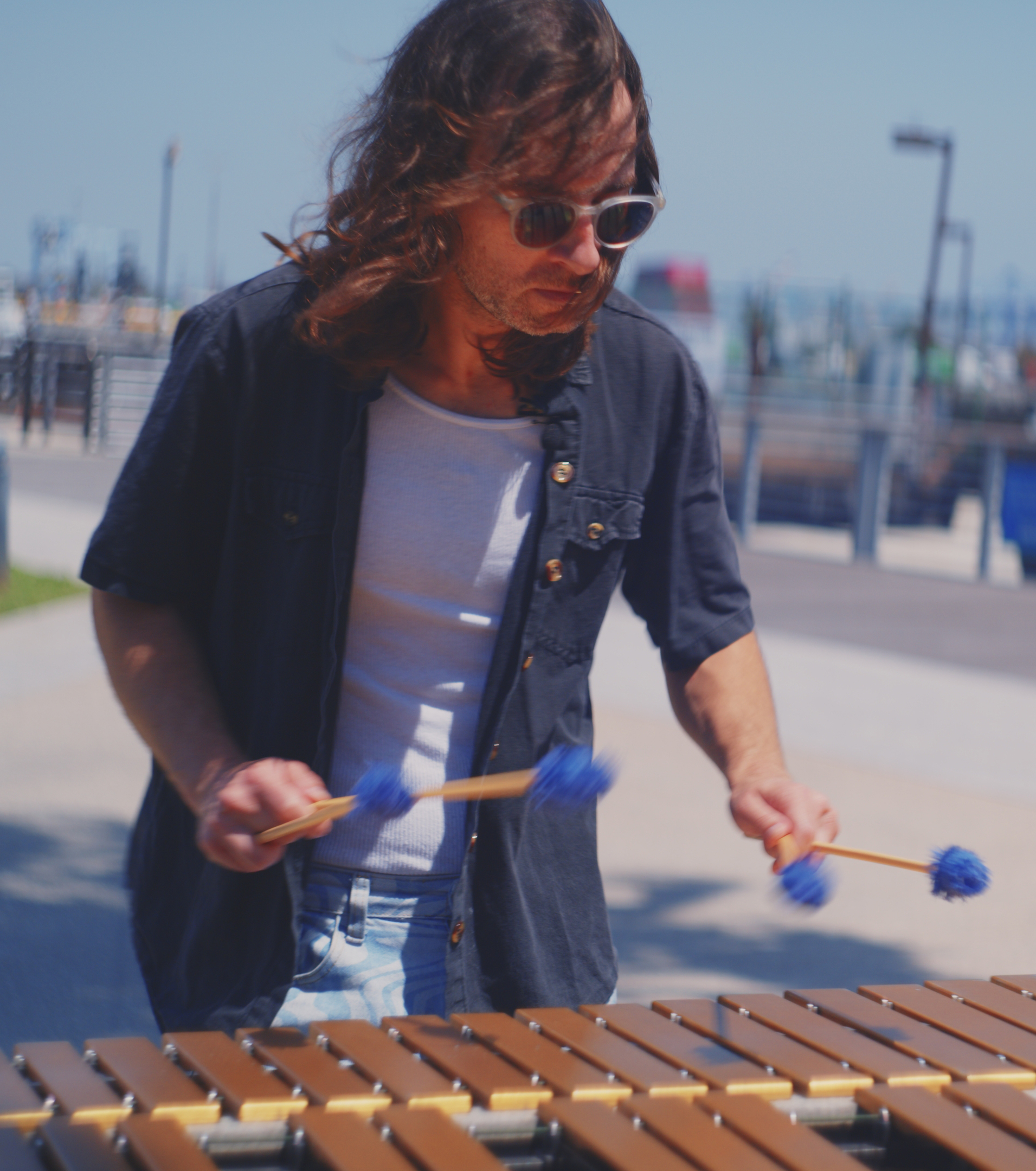
Chappy is a jazz vibraphonist from Los Angeles. He made his professional debut at thirteen, studied at Columbia and Juilliard, and has spent years playing in living rooms through the Groupmuse network across LA. He's one half of Brother Man — the vibraphone to Heavy's guitar and voice.
The vibraphone is an unusual instrument for this kind of project, and that's part of why it works. It fills a small room in a way nothing else does. When Chappy plays Joe Hill's songs, they sound like something you've never heard before — familiar melodies given new texture, new weight. There's a reason people lean in.
Support the Film
Fiscal Sponsorship:
This project is fiscally sponsored by Groupmuse, which means all contributions are tax-deductible and go directly toward production. We're keeping this film independent, artist-run, and community-focused. No studio, no brand partnerships, no diluting the message for commercial backers.
Your support helps us stay honest and do the story justice.
Where the Money Goes:
Travel and production:
Filming across seven cities, from LA to Washington to Utah
Music licensing:
Securing rights to archival recordings and performances
Post-production:
Editing, sound design, color, and finishing
Archival materials:
Licensing historical photographs, documents, and footage
Contact Us:
Get Involved:
Not everyone can donate, and this project needs more than money.
Got a living room?
We're booking Groupmuse concerts along the tour route. If you want to host one, reach out.
Got a story?
If you're a musician, organizer, historian, or someone with a connection to Joe Hill's legacy,
we want to hear from you. We're filming interviews from LA to Spokane and beyond.
Got a network?
Share this page. Tell someone. We're not trying to go viral. We're trying to build something that lasts.
Contact Us:
Monty@OneBigSong.com
or
Monty@SpaceHelmetPictures.com
Type your paragraph here